Delve Into the Domain of Fair Trade Tea: Remarkable Brews That Enable Sustainable Practices
Fair Trade tea showcases a harmonious balance of caliber and ethics. Each cup furnishes a distinct taste composition while backing responsible agricultural approaches. This methodology not only elevates the tea pleasure but also assists struggling agricultural producers. Understanding its origins and certification processes discloses deeper layers of meaning. As shoppers become more intentional about their picks, the reach of Fair Trade tea extends beyond taste. What sits below the surface of these choices?
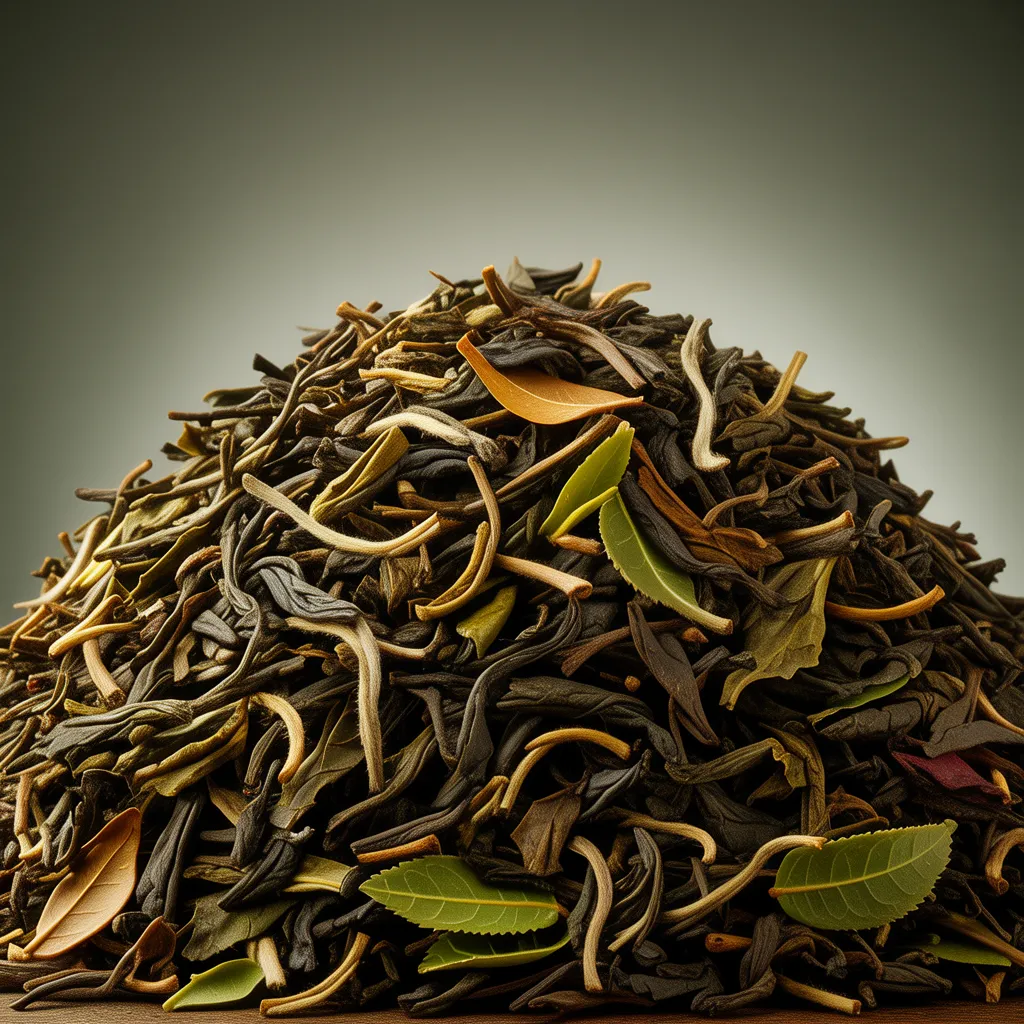
Explore the Beginnings of Fair Trade Tea
Fair Trade tea traces back to the socioeconomic movements aimed at improve the livelihoods of marginalized farmers. Beginning in the late 20th century, this program sought to tackle inequities in international commerce, particularly in emerging markets where tea is often grown. The initiative gained momentum as shoppers became increasingly conscious of the harsh realities faced by small-scale farmers, such as unfair pricing and exploitation by major companies.
Through collaborative partnerships, Fair Trade aimed to empower these farmers, guaranteeing they received fair payment and backing for sustainable farming practices. The movement also concentrated on promoting environmental responsibility, promoting organic farming and biodiversity. As awareness grew, Fair Trade tea turned into a representation of ethical consumption, connecting consumers directly with the origins of their beverages. By choosing Fair Trade tea, individuals add to a larger vision of social justice and economic equity, creating a more sustainable future for tea-growing communities.
Learn about Fair Trade Certification for eco-friendly practices
Understanding Fair Trade certification is important to identifying how sustainable practices are maintained within the tea industry. This certification assures that producers receive fair wages and work under safe conditions, which directly advances community development. Fair Trade standards foster environmentally sustainable farming methods, reducing the use of harmful chemicals and encouraging biodiversity.
Certification fosters clarity in the distribution network, report allowing customers to track their tea back to its source. By adhering to these guidelines, farms engage in methods that safeguard natural resources and sustain local ecosystems. Additionally, Fair Trade groups often deliver educational resources and instruction to agricultural producers, empowering them to improve their farming techniques and financial security.
Ultimately, Fair Trade certification not only enhances the standard of tea but also matches consumer choices with ethical and eco-friendly values, making it an essential aspect of the tea industry's commitment to community welfare and environmental stewardship.
Explore Top Range of Fair Trade Tea
While many tea enthusiasts enjoy the rich flavors and aromas of various brews, investigating the top types of Fair Trade tea demonstrates a deeper commitment to ethical sourcing and sustainability. Some well-liked options include Fair Trade Assam, recognized for its bold, malty taste, and Fair Trade Darjeeling, often called as the "Champagne of teas" for its delicate floral notes. Another notable variety is Fair Trade Earl Grey, blended with bergamot, providing a unique citrus twist.
Additionally, Fair Trade Green Tea, praised for its invigorating qualities and health benefits, is increasingly favored among health-conscious consumers. Herbal blends, such as Fair Trade Chamomile and Peppermint, also shine, offering soothing and calming effects. Each of these varieties not only delivers exceptional flavor but also supports farmers and communities working for better livelihoods, making them a responsible choice for tea lovers seeking quality and ethical assurance.
Brewing Fair Trade Tea: Advice for an Excellent Cup
To create the ultimate cup of Fair Trade tea, careful attention is crucial, as the correct techniques can improve the tea's unique notes and aromas. First, the water quality is key; using clean water ensures a crisp taste that allows the tea's traits to shine. The water temperature is also vital; tea varieties need precise heat; black tea needs boiling water and a lower temperature for green or herbal teas.
Afterward, the steeping time ought to be meticulously respected. Oversteeping can trigger a bitter quality, while understeeping may not access the total flavor dimensions. A basic principle is 3-5 minutes for black tea and 2-3 minutes for green tea.
In conclusion, achieving the ideal tea-to-water ratio enhances the flavor; one teaspoon of loose tea per cup is a fine reference point. By following these pieces of advice, tea enthusiasts can truly enjoy the rich offerings of Fair Trade tea.
Environmental Advantages of Ethically Sourced Tea
Brewing Fair Trade tea not only improves the tea experience but also supports sustainable agricultural practices that advantage the ecosystem. Fair Trade accreditation motivates farmers to use organic farming methods, which minimize the reliance on damaging chemicals and synthetic inputs. This approach fosters biodiversity, helping to preserve local habitats and protect wildlife habitats.
Furthermore, Fair Trade approaches often highlight soil health and water conservation, ensuring that tea cultivation does not deplete essential resources. By assisting small-scale farmers, Fair Trade also encourages agroforestry, which merges tea cultivation with other crops and trees, further improving environmental resilience.
In addition, Fair Trade tea frequently incorporates environmentally responsible wrapping and transportation methods, minimizing the carbon footprint associated with its delivery. All in all, selecting Fair Trade tea demonstrates a conscious effort to promote a more sustainable agricultural system that honors both the planet and its people.

The Impact of Your Tea Choice in Strengthening Worldwide Communities
Opting for Fair Trade tea assists communities around the world by guaranteeing farmers receive just compensation and better labor environments. This promise confirms that tea producers can preserve their livelihoods while allocating funds to their households and local economies. By choosing Fair Trade tea, buyers help fund crucial community services, including education and health services.
Fair Trade certification encourages ethical practices, requiring businesses to follow guidelines that emphasize workers' rights and ecological responsibility. As a result, growers are motivated to cultivate high-quality tea, which not just improves their earnings but also creates satisfaction in their craft.
Furthermore, the direct trade relationships created through Fair Trade remove unfair middlemen, allowing farmers to connect with customers worldwide. This transparency builds trust and promotes a global appreciation for the cultural importance of tea. Ultimately, each cup of Fair Trade tea serves as a reminder of the beneficial effect individuals can have on global communities through mindful consumption.
Frequently Asked Questions
Where Can I Locate Fair Trade Tea Items and How Do I Confirm Them in Retail Locations?
To find fair trade tea products in stores, one should check for official certifications, such as Fair Trade Certified or Rainforest Alliance. Additionally, studying brands dedicated to sustainable practices can support choosing wisely.
Do Fair Trade Tea Products Offer Any Health Benefits?
Fair trade tea can deliver numerous health advantages, such as heart-healthy antioxidants, better digestion, and improved mental focus. In addition, responsible sourcing practices encourage sustainable agricultural practices, ultimately fostering a more vibrant environment and stronger community health.
Can I Source Ethically Sourced Tea in Online Marketplaces?
Yes, justly traded tea is abundantly accessible in web-based stores. Numerous retailers deliver a variety of brands and blends, verifying purchasers can easily access morally sound products that support both ecological balance and just compensation practices.
In What Ways Does Fair Trade Tea Affect Local Economies?
Fair trade tea positively impacts local economies by providing farmers with fair wages, fostering community development, and supporting sustainable agricultural methods. This backing uplifts living conditions, fosters economic security, and strengthens communities to direct funds toward education and healthcare.
How Can I Maintain Fair Trade Tea to Achieve Peak Freshness?
To increase quality, fair trade tea should be stored in a airtight container, away from humidity, light, and pungent smells. Keeping it in a dark, cool location helps protect its taste and scent over time.